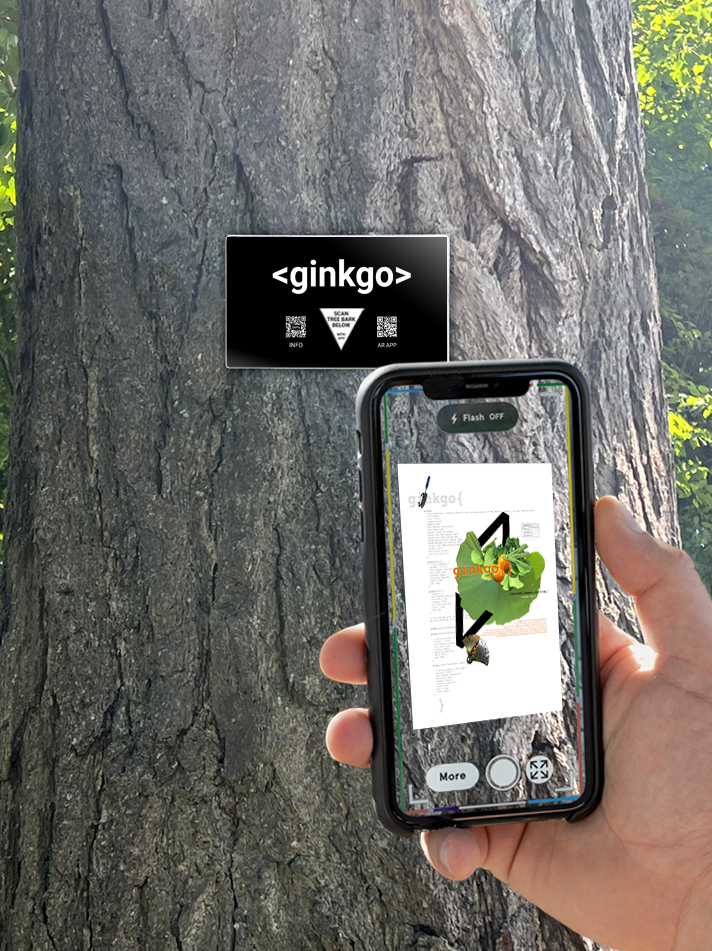

Custom HTML Plant Tags merge the history of taxonomic drawings – biological layouts of different plants and their characteristics – with the organizational structure of HTML elements for creating web pages, creating new categories between botany and code. Exploring and questioning methods of categorization, custom created HTML tags such as or are placed as “botanical” seeds into the Web code, invoking a closer relationship of digital and biological structures. The code that is visible in Custom HTML Plant Tags is part of the actual computer program that runs a –“reversed” – version of the project: Input Field reversal #3.
Input Field reversal #3 (IFr3) reflects on the behavior, morphology, and intelligence of plants applied to digital interfaces. Algorithms, modeled after how IRL plants are affected by environmental changes, execute that behavior within their digital equivalents. The shapes of these digital counterparts are web-based user interfaces, pull-down menus to be precise scripted in HTML, CSS and Java-Script, which respond to weather like plants would in happiness
or distress: too much humidity calls for blights, too hot and dry weather and they wilt and might die. IFr3 invites into a bird’s eye view of Governors Island’s surroundings, more specifically to Nolan Park and the same five trees featured in the AR work. Activated by the visitor each tree (or seed or interface) in this browser-based garden goes through a brief growth cycle, depending on current weather and the visitor’s care and digital “gardening” capabilities, and culminates in a harvest consisting of questionable depictions of naturally grown, web-coded, and AI-assisted fruits.
